During my 11 years as an early childhood educator, I have watched thousands of children walk through the gates on their first day of primary school. Without fail, the parents who come to me with the most anxiety are those worried that their child isn't "doing enough" academic prep. They want to know if their child should be reading sight words or writing their name in cursive.
My answer has always been the same: School readiness is about the whole child, not early academics. If your child enters the classroom with a genuine curiosity about the world and a love for storytelling, they are already miles ahead of the game. Building a foundation for early literacy isn't about flashcards or drilling phonics; it is about cultivating a deep, joyful relationship with books.
Why Reading is the Foundation of Everything
When we talk about school readiness, we often focus on cognitive skills. However, literacy is inextricably linked to social and emotional development. A child who learns to sit comfortably, listen to a story, and predict what happens next is building the exact attention span and inferential thinking skills they will need for formal classroom instruction.
As qualified early childhood educators, we look for "book behaviors." Does the child turn pages correctly? Do they talk about the pictures? Do they ask questions about the characters? These aren't just cute habits; they are the precursors to academic success. By focusing on these, you aren't just teaching a child to read; you are teaching them how to learn.
Establishing a Daily Rhythm
The most powerful tool in your parenting arsenal is consistency. You don't need a formal curriculum; you need a ritual.
1. Read Together Daily
The habit to read together daily is the single most significant factor in long-term academic success. It doesn't need to be long—ten minutes before bed or while winding down after dinner is plenty. The goal is to make reading a sensory-rich experience. Let them pick the book (even if it’s the same one for the fiftieth time!), snuggle up close, and use different voices for the characters.
2. The Library Routine
If you haven't already, establish a consistent library routine. Treat the local library as a community hub rather than a chore. Let your child have their own library card. When they have the agency to choose their own stories, they take ownership of their literacy journey. This agency translates directly to the classroom, where confident children are more likely to approach the classroom book corner with enthusiasm.
Play-Based Learning: The Literacy Scaffold
Many parents forget that before a child can hold a pencil to write a sentence, they need to have developed their fine motor skills and spatial awareness. This is where play-based learning activities come in. These activities act as a silent partner to literacy.
- Blocks: Building with blocks develops spatial awareness and mathematical concepts—the "language" of patterns and sequencing essential for reading. Puzzles: Solving puzzles trains the brain to recognize patterns and shapes, which is the exact same skill set used to decode letters and words. Art Materials: Drawing and painting allow children to express narratives before they can write them down. Playdough: This is a goldmine for fine motor strength, preparing those little finger muscles for the precision required for handwriting. Child Safe Scissors: Using scissors requires bilateral coordination and focus, both of which are critical for the physical act of reading and writing.
If you have concerns about your child's physical development, occupational therapists are often a fantastic resource. They can provide exercises to help with grip strength and hand-eye coordination that make the physical task of "doing school" much less fatiguing for a five-year-old.
The Connection Between Independence and Literacy
It sounds strange, but your child’s ability to use the bathroom, dress themselves, and manage their lunchbox directly impacts their capacity to learn to read. Why? Because school readiness is about cognitive bandwidth.

If a child is stressed because they cannot open their snack container or they are worried about their shoes, that child has very little "brain space" left to focus on a teacher explaining phonemes or story structures. This is where independence skills become a literacy scaffold.
Essential Self-Help Skills
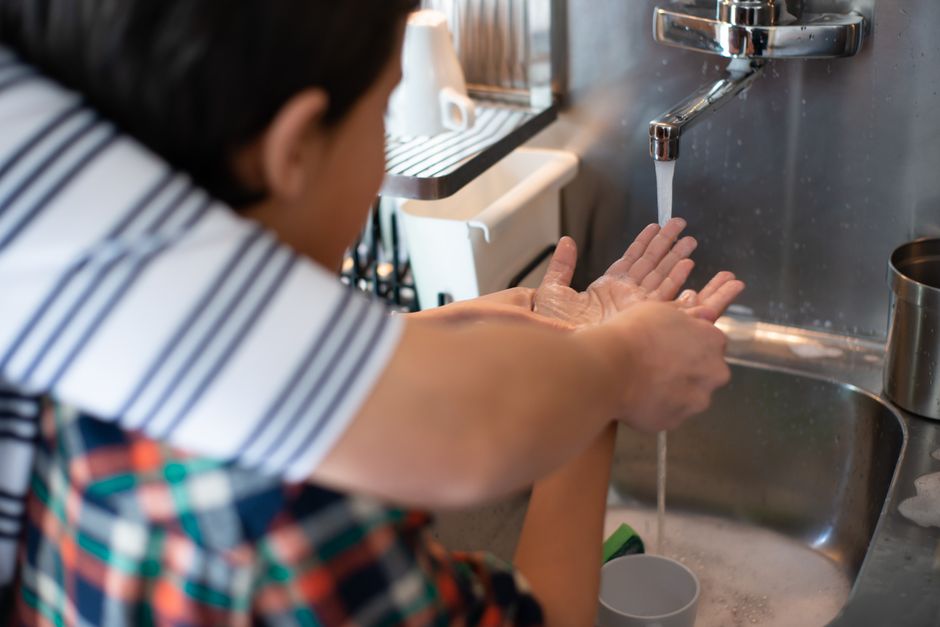
Skill Area Why it Matters for Literacy Toileting Confidence in physical needs reduces anxiety, allowing the child to focus on the teacher. Dressing Managing a jumper or a jacket builds self-regulation and reduces "fidgeting" stress. Lunchbox Skills Being able to feed oneself builds autonomy and confidence in a classroom setting. Hygiene Routines Understanding when to wash hands and blow their nose keeps the child healthy and present for learning.Bridging the Gap: Orientation and Professional Support
As you approach the school start date, lean heavily on the orientation visits and information sessions provided by the school. These sessions are not just for the children; they are for you. Last month, I was working with a client who wished they had known this beforehand.. They help you understand the school’s specific approach to literacy, which allows you to align your home reading practices with their classroom expectations.
If you notice that your child is struggling significantly with speech or language, do not hesitate to reach out to speech pathologists. Early intervention can make a massive difference. Many parents worry that seeking help implies a "delay," but in reality, it is simply providing your child with the tools they need to communicate effectively and enjoy the books they are reading.
Practical Tips for Parents
If you want to move from theory to practice, here is a simple checklist you can implement over Website link the next few months leading up to the school year:
The Takeaway
As a parent, your most important role is to be a model of curiosity. If your child sees you enjoying a book, they will want to join you. They are watching your relationship with the world. When you prioritize a calm, independent, and inquisitive environment at home, you aren't just preparing them for school; you are preparing them for life.
Remember, the goal of early literacy is not to have a child who can read by the time they step into the classroom. The goal is to have a child who wants to learn to read, who has the emotional stability to handle the challenges of a new environment, and who understands that books are a gateway to adventure. Keep reading, keep playing, and keep encouraging their independence. You are doing a great job.