After eleven years in the classroom, I have watched thousands of children navigate the bridge between preschool and primary school. One of the most common questions I hear from parents during orientation is, "What should my child already know to be ready for big school?"
Often, parents are worried about letter recognition, counting, or reading. While those academic milestones are wonderful, they are not the primary markers of a successful transition. As a former educator, I tell every parent the same thing: school readiness is about the whole child. It is about emotional resilience, social competence, physical independence, and the ability to navigate a classroom environment.
When you are evaluating a preschool program, you need to look for a curriculum that champions development domains through play-based learning and intentional teaching. Here is your guide to identifying a curriculum that truly prepares your child for the journey ahead.
Beyond the ABCs: The Whole-Child Approach
Primary school is a massive step. It requires children to manage their own belongings, follow multi-step instructions, and navigate complex social dynamics. A curriculum that focuses solely on "worksheets" or rote memorization often fails to build the necessary stamina and social-emotional foundation required for the rigors of formal education.

When touring a preschool, look for a philosophy that treats play as the primary vehicle for growth. High-quality centers employ qualified early childhood educators who understand that a child stacking blocks is not "just playing"—they are learning about physics, spatial awareness, and social negotiation.
The Role of Intentional Teaching
In a play-based classroom, intentional teaching is the "secret sauce." This is when an educator observes a child playing and carefully intervenes—not to take over, but to extend the learning. For example, if a child is playing with art materials, an intentional teacher might ask questions about color mixing or challenge the child to create a structure that stands on its own, thereby pushing cognitive development without making the activity feel like a "lesson."
Development Domains: What to Look For
A robust preschool curriculum covers four critical development domains. When you review a program's documentation or observe a classroom, keep these in mind:
- Social-Emotional: Can the child identify their feelings? Can they resolve minor conflicts with peers? Physical (Fine & Gross Motor): Is the child developing the hand strength needed for writing? Are they moving their body confidently in space? Cognitive: Does the child show curiosity? Can they persist when a task (like a puzzle) becomes difficult? Language/Communication: Is the child able to express their needs clearly and listen when others speak?
Essential Tools for Developmental Success
Look around the classroom. Does the environment reflect a commitment to skill-building? The following tools are staples of a curriculum that prioritizes developmental readiness:
- Blocks: These aren't just for building towers. They teach mathematical concepts, symmetry, balance, and cooperative play. Puzzles: Essential for developing visual-spatial reasoning and persistence. Art Materials: These facilitate self-expression and creative problem-solving. Playdough: A powerhouse for fine motor development. The pinching, rolling, and squeezing build the hand strength necessary for holding a pencil. Child-safe scissors: Learning to manipulate child-safe scissors is a major milestone for hand-eye coordination and bilateral integration.
Self-Help Independence: The Daily Rituals
If there is one area that causes the most anxiety for both parents and children, it is the transition to the independence required in primary school. A quality preschool curriculum shouldn't just talk about these skills; it should actively practice them.
1. Toileting and Hygiene
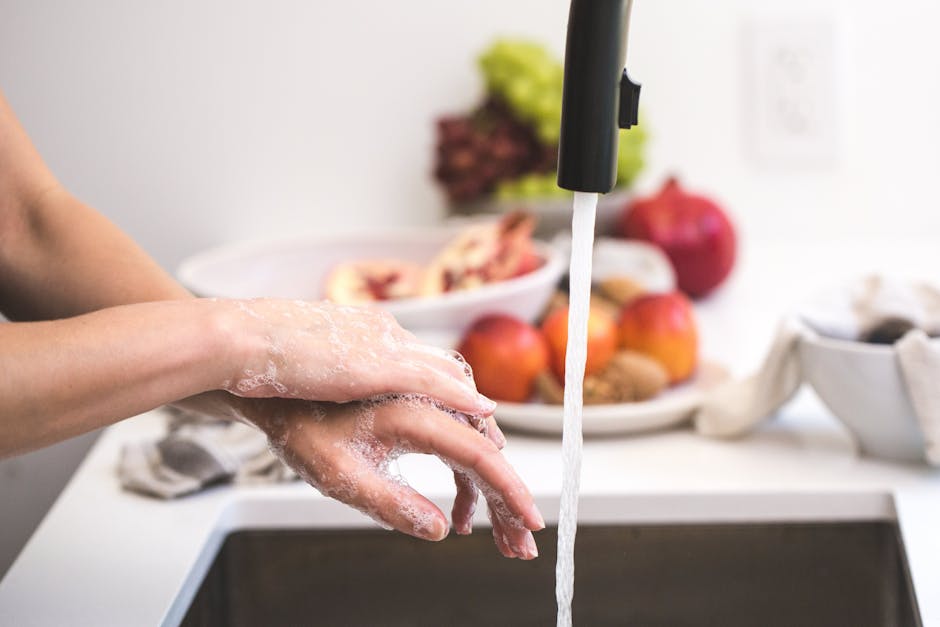
In primary school, teachers are not available https://dlf-ne.org/mastering-the-basics-how-to-practice-handwashing-so-kids-actually-do-it/ to assist with toileting. Your preschool should have a curriculum that promotes autonomy. This includes independent hand-washing routines, managing clothing independently, and knowing when to seek help for larger issues. A teacher who encourages a child to try before they help is a teacher who is building a confident, independent learner.
2. Lunchbox and Eating Skills
The "lunchbox struggle" is real. At home, we often open snacks for our children, but in school, they must be able to do it themselves. Look for a program that encourages children to open their own containers, peel their own fruit, and manage their own rubbish. If your child struggles with these fine motor tasks, the curriculum should support them through repetitive, purposeful play.
3. Managing Belongings
Primary school children are responsible for their own bags, jumpers, and hats. Does the preschool encourage children to hang up their own coats? Do they have individual lockers or cubbies? These daily habits are the building blocks of organizational skills.
The Multi-Disciplinary Perspective
A top-tier preschool recognizes that they aren't working in a vacuum. Sometimes, a child needs extra support to reach their potential. High-quality centers often have relationships with:
- Occupational Therapists (OTs): These professionals can help identify if a child is struggling with sensory processing or fine motor coordination (such as pencil grip or scissor use) and provide strategies to the educators. Speech Pathologists (SLPs): Early intervention for speech and language challenges is invaluable before starting primary school. A good curriculum welcomes input from an SLP to support a child’s social interaction and articulation.
The Importance of School Transition Supports
Finally, look for how the preschool bridges the gap. Do they offer orientation visits and information sessions? These school transition supports are crucial. They provide a space where your child can https://fire2020.org/mastering-school-mornings-how-to-set-up-a-consistent-routine-before-school-starts/ practice "the big school" environment, and you can get the answers you need to calm your nerves.
A preschool that partners with local primary schools to facilitate these transitions demonstrates that they care more about the child's successful move to the next stage than just "filling seats" in their own classroom.
Evaluation Checklist for Parents
When you are touring or reviewing your child's current preschool curriculum, use this table to assess whether they are meeting the mark:
Area of Assessment What to look for (Green Flags) Classroom Philosophy Play-based learning is balanced with intentional teaching. Physical Development Accessible playdough, puzzles, and scissors are used daily. Independence Children are encouraged to open their own lunch and manage their own bags. Support Systems Evidence of collaboration with specialists like OTs or SLPs. Communication Frequent, detailed updates on social/emotional progress, not just academics. Transition Support Clear documentation of orientation visits and information sessions.Final Thoughts for Parents
Remember, as you navigate this transition, that your child is an individual. Some children are naturally independent, while others need more support. Your role is not to turn your child into a primary-school-aged child overnight, but to find a preschool environment that respects their developmental timeline while gently pushing them toward autonomy.
When you see qualified early childhood educators sitting on the floor with a group of children, deeply engaged in a conversation about a tower made of blocks, know that they are doing exactly what they should be. They are building a foundation of confidence, curiosity, and capability—the three most important tools any child can take into their first day of primary school.
Trust your instincts. If the preschool environment feels warm, encourages risk-taking, and focuses on the child’s ability to "have a go," you have likely found the perfect place to start your child’s educational journey.